
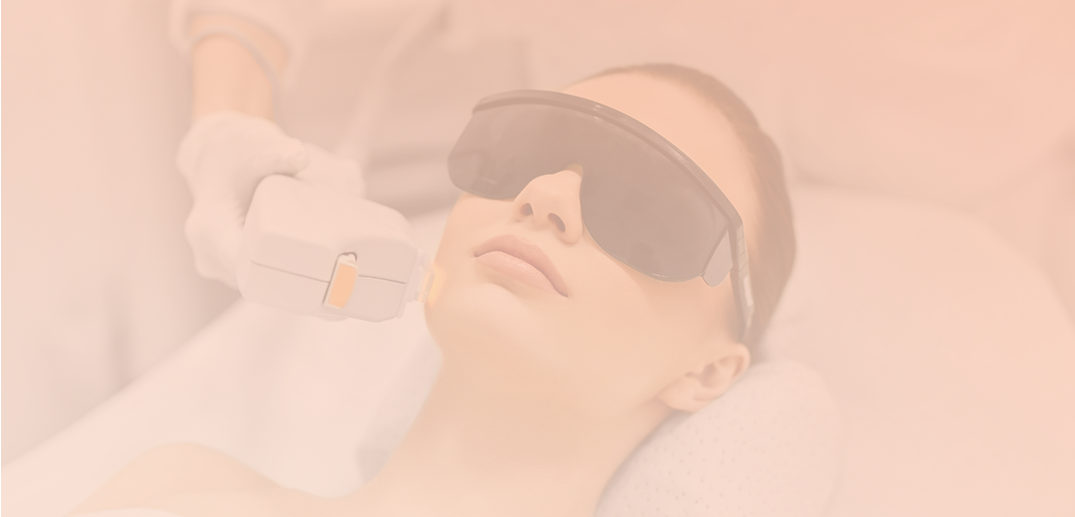
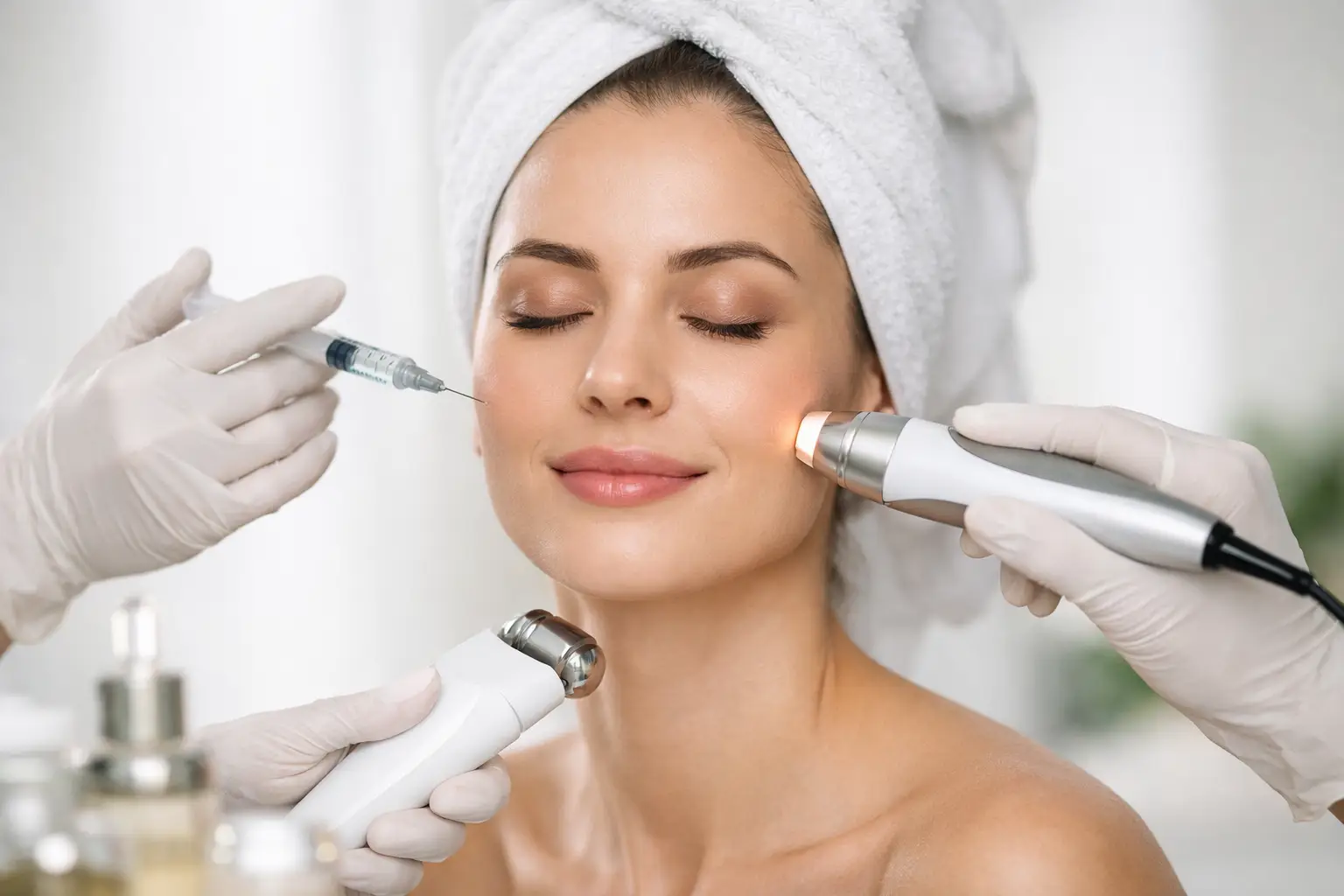
A tired face does not always mean you are tired. For many women, the first changes show up as etched lines, a little heaviness around the mouth, flatter cheeks, or skin that suddenly looks less smooth and bright than it used to. Non surgical facial rejuvenation procedures are designed for exactly this stage – when you want visible improvement, but you do not want surgery, long recovery, or a result that looks overdone.
The right plan is rarely about chasing one treatment. It is about understanding what is actually changing in the face. Wrinkles, volume loss, skin laxity, dehydration, and collagen decline do not all respond to the same approach. That is why a medically guided consultation matters. When treatment is chosen carefully, the goal is simple: help you look fresher, healthier, and more like yourself.
Most people come in describing a general concern like looking older, worn out, or less vibrant. Clinically, that usually breaks down into a few common categories. Dynamic lines form from repeated facial movement, such as frown lines or crow’s feet. Volume loss can flatten the cheeks, hollow the under-eye area, and make folds around the mouth more noticeable. Skin texture changes may include roughness, enlarged pores, acne scarring, or crepey skin. Then there is overall skin quality – tone, hydration, firmness, and radiance.
This is why a one-size-fits-all answer can be disappointing. If forehead lines are caused by muscle movement, a collagen treatment alone will not relax them. If the face looks drawn because of volume loss, skin care by itself may not be enough. A thoughtful treatment plan matches the concern to the mechanism behind it.
Botox is one of the most recognized treatments for a reason. It softens lines caused by repeated muscle movement, especially in the forehead, between the brows, and around the eyes. When used well, it does not erase your personality. It simply reduces the deepening of lines and creates a more rested expression.
Results are temporary, so maintenance is part of the process. It also works best for movement-related wrinkles, not every line on the face. If a crease is present even when the face is fully relaxed, you may need a combination approach.
Fillers are often used when the face has lost shape or support. They can restore volume in areas like the cheeks, lips, chin, jawline, and around the mouth. In the right hands, filler does not have to look obvious. Often, the best filler work is the kind people notice only as, “You look good.”
That said, filler is not the answer for every concern. Too much product or poor placement can create heaviness instead of lift. Skilled assessment matters, especially because facial balance is different for every patient.
Sculptra works differently from traditional filler. Rather than creating instant volume in the same way a filler gel does, it stimulates your own collagen over time. This makes it a strong option for patients who want gradual, natural-looking improvement in facial fullness and skin support.
Patience is part of the trade-off. Sculptra is not usually a same-day transformation. It is better suited to clients who want progressive improvement and are comfortable with a treatment series.
Microneedling creates controlled micro-injuries in the skin to trigger repair and collagen production. It is often recommended for texture issues, mild acne scarring, fine lines, and overall skin refinement. Many patients also like it because it can improve the way skin looks without changing facial expression or structure.
Downtime is usually manageable, but it is still a real treatment. Redness and sensitivity can happen for a few days, and results build with consistency rather than overnight.
Platelet-Rich Fibrin, or PRF, uses your own blood components to support healing and tissue rejuvenation. It is often chosen for delicate areas such as under the eyes or in combination with other treatments that benefit from a regenerative boost. PRF EZ Gel offers a thicker consistency that can provide more structure while still using your body’s own natural materials.
These treatments appeal to patients who want a more biologic approach, but expectations should stay realistic. Regenerative treatments can be very helpful, especially for skin quality and subtle rejuvenation, yet they are not interchangeable with every injectable.
Exosome-based treatments are typically used to support skin renewal and recovery, often alongside procedures such as microneedling. Patients interested in improving tone, texture, and overall skin vitality may benefit from this category of treatment, especially when the goal is healthier-looking skin rather than facial reshaping.
As with newer regenerative options, provider guidance matters. Not every patient needs advanced add-ons, and the best recommendation depends on your skin condition, goals, and budget.
The most effective plan starts with an honest assessment of what bothers you most. If your main frustration is angry-looking frown lines, neurotoxin treatment may give you the clearest improvement. If your face looks deflated or less lifted than it used to, filler or Sculptra may be more relevant. If your concern is dullness, pores, rough texture, or crepey skin, microneedling or regenerative skin treatments may make more sense.
Age alone should not decide your treatment. A woman in her 30s may want prevention and subtle softening, while someone in her 50s may need a layered plan that addresses volume, collagen loss, and skin texture together. Lifestyle also matters. If you want minimal downtime before work or family events, that changes what is practical. If you prefer gradual change over instant correction, that matters too.
A good consultation should feel educational, not rushed. You should understand what each treatment is intended to do, what it cannot do, how long results may last, and whether a series or maintenance visits are likely.
Facial aging is multidimensional, so treatment often works best the same way. Botox can relax expression lines, but it does not replace lost volume. Fillers can restore contour, but they do not improve skin texture the way microneedling can. PRF and exosomes may support better skin quality, but they will not create the same structural effect as strategically placed filler.
That is why many patients do well with a phased plan instead of trying to fix everything in one appointment. One phase may focus on movement-related wrinkles. Another may restore support in key areas. A later step may improve the skin itself. This approach often creates a more natural result because it respects how the face actually ages.
Non-surgical does not mean casual. Injectables and regenerative procedures still require clinical judgment, precise technique, and a strong understanding of facial anatomy. The difference between a refreshed result and an artificial one often comes down to assessment, dosing, placement, and restraint.
This is where experience matters. At Youthful Glow Med Spa, that medical foundation is part of the care model. Patients often feel more confident when their provider can explain not only what a treatment does, but why it is appropriate, what risks to consider, and when not to treat.
The best aesthetic care is not about pushing the most product or the newest trend. It is about making smart decisions for your face, your skin, and your comfort level.
Good facial rejuvenation should not make you look like someone else. It should help you look less tired, less tense, and more supported in the areas that have changed. For some patients, that means softer lines. For others, it means better skin texture, brighter under-eyes, or a more defined cheek and jawline.
Results also vary by treatment type. Botox works relatively quickly and fades over time. Fillers can provide more immediate structural change. Sculptra and regenerative treatments usually ask for more patience. None of that is better or worse. It depends on your goals.
The most satisfying outcomes tend to come from realistic expectations and a treatment plan built around your actual concerns, not a trend or a copied social media look. If your face has changed in several ways, your best result may come from doing less in each area, but doing it thoughtfully.
Looking refreshed is not about erasing every line. It is about restoring harmony between how you feel and what you see in the mirror, with care that respects both your features and your safety.

