
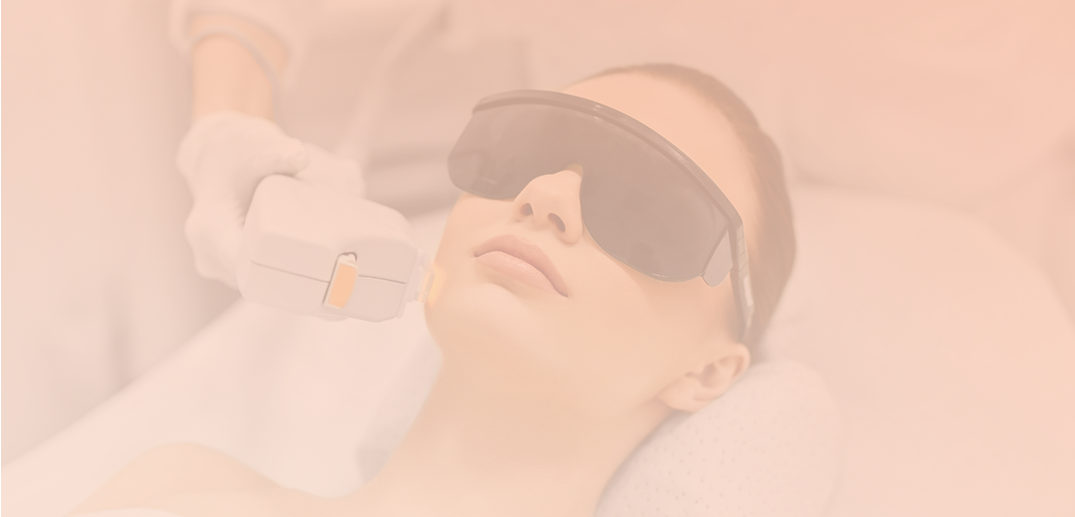
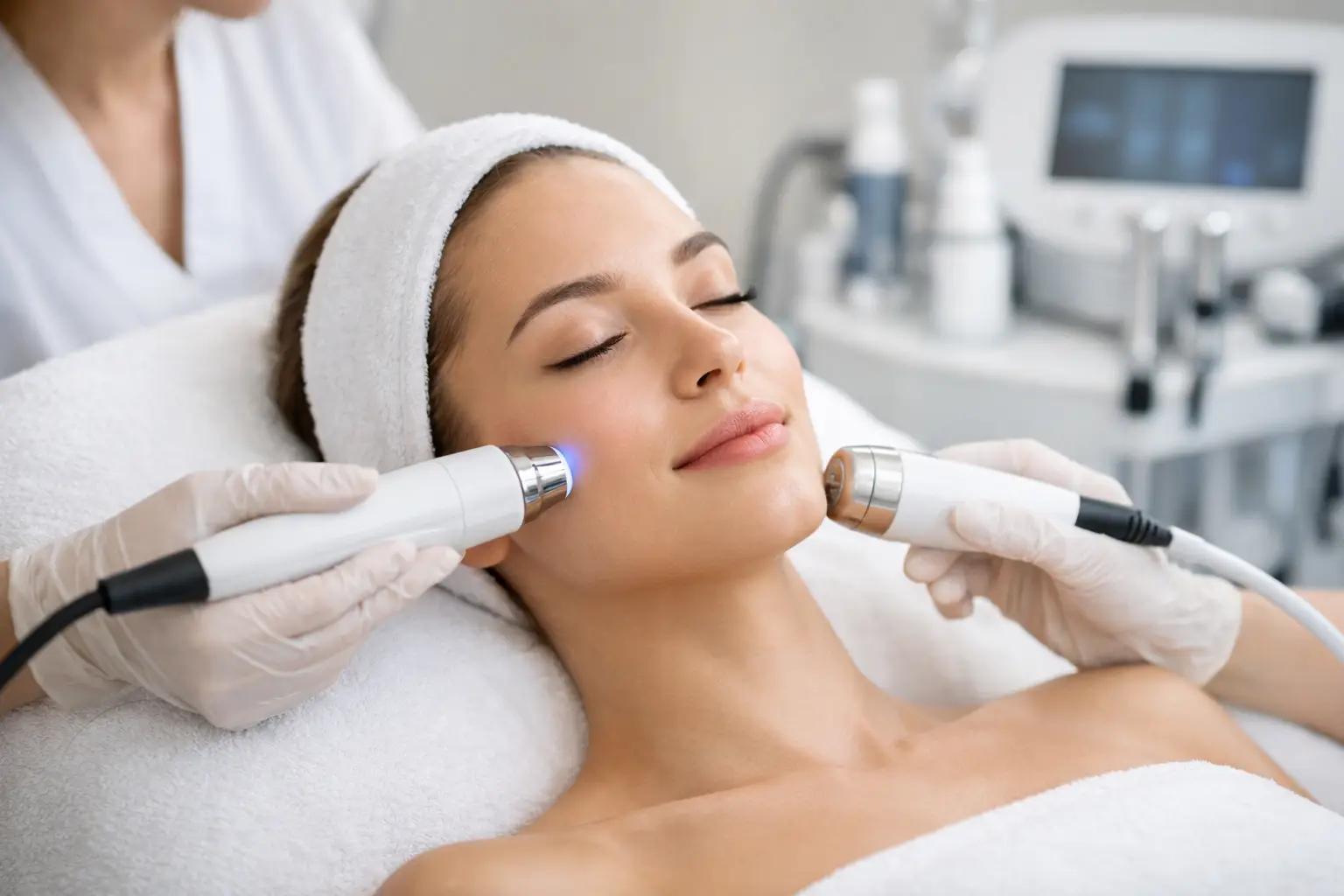
A lot of people asking what is non invasive facial treatment are not looking for a complicated definition. They want to know one practical thing – can I improve wrinkles, volume loss, skin texture, or tired-looking skin without surgery and without stepping away from real life for weeks? In most cases, the answer is yes.
Non invasive facial treatment is a broad term for cosmetic treatments that improve the face without surgical incisions, general anesthesia, or a long recovery period. These treatments are designed to refresh, restore, and support the skin and facial structure using techniques such as injectables, collagen-stimulating procedures, and advanced skin-rejuvenation therapies. The exact treatment depends on what is bothering you, how quickly you want to see change, and how much downtime you are comfortable with.
At its core, a non invasive facial treatment works by improving one or more of the main reasons the face starts to look older or less vibrant. That may be muscle movement that creates expression lines, a loss of facial volume, slower collagen production, uneven skin texture, dryness, dullness, or skin that simply looks more tired than you feel.
This category can include wrinkle relaxers such as Botox, dermal fillers for structure and fullness, biostimulatory injectables like Sculptra, microneedling to support collagen renewal, regenerative options such as PRF and PRF EZ Gel, and exosome-based treatments that aim to support skin recovery and rejuvenation. Some clients also benefit from medical-grade skincare as part of the plan, because office treatments and home care usually work better together than either one does alone.
The key idea is that these services do not surgically lift or remove tissue. Instead, they improve the appearance of the face by softening lines, restoring balance, stimulating repair, and improving skin quality.
For many adults, the biggest appeal is not vanity in the shallow sense people sometimes assume. It is wanting to look rested, healthy, and like yourself again. A face can begin to change in subtle ways long before someone is ready to consider surgery. Makeup may start settling into lines. Cheeks may look flatter. Skin may feel rougher, drier, or less firm. You might notice that you look tired in photos even after a full night of sleep.
Non surgical care offers a middle ground. It gives clients a way to address those changes early, maintain results over time, and make gradual improvements that still look natural. That matters to people who want visible change but do not want a dramatic or overdone result.
Another reason is downtime. Many non invasive treatments can be done during a lunch break or as part of a busy week, although some do come with short-term redness, swelling, or bruising. The recovery is usually much easier than surgery, but it is still important to be realistic. Low downtime does not always mean zero downtime.
Different treatments solve different problems, so the best place to start is not the treatment name. It is the concern.
If your concern is forehead lines, frown lines, or crow’s feet, wrinkle relaxers are often the most effective option. Botox works by reducing the repeated muscle movement that etches lines into the skin over time. It does not fill the area, and it does not improve loose skin directly. What it does very well is soften expression lines and help prevent them from becoming deeper.
This is why someone with strong frown lines may love Botox, while someone with hollow cheeks may need something completely different.
When the face starts looking deflated, filler or collagen-stimulating injectables may be appropriate. Dermal fillers can restore support in areas such as the cheeks, lips, jawline, or under-eyes, depending on anatomy and suitability. They create shape and volume more immediately.
Sculptra works differently. Instead of simply adding volume in the moment, it stimulates collagen over time. That can make it a strong option for clients who want a gradual, more diffuse improvement in facial fullness and skin support. The trade-off is patience. The result builds over weeks and months rather than overnight.
If your skin looks dull, rough, or uneven, a treatment that targets the skin itself may make more sense than injectables. Microneedling creates controlled micro-injuries that encourage collagen production and skin renewal. This can help improve texture, the appearance of fine lines, and overall tone.
For clients who want more regenerative support, PRF, PRF EZ Gel, or exosome-based treatments may be added depending on goals and provider recommendations. These approaches are often used to support healing, improve skin quality, and encourage a fresher, healthier look. They are especially appealing to people who want rejuvenation that leans into the body’s own repair processes.
Not every tired-looking face needs injectables right away. Sometimes the issue is skin hydration, barrier function, or neglected skincare. Professional skincare can play a major role in maintaining treatment results and improving daily skin appearance. A well-chosen regimen can support brightness, hydration, smoothness, and resilience.
This is where expectations matter. Non invasive facial treatment can do a lot, but it cannot do everything.
It can soften lines, improve skin texture, restore some lost volume, stimulate collagen, and make the face look more refreshed. It can often help you look less tired, less tense, or simply more polished. For many clients, that is exactly the goal.
What it cannot do is produce the same degree of lifting as a surgical facelift in someone with significant skin laxity or heavy jowling. It may improve the look of those concerns, but it will not remove excess skin or reposition deeper facial structures the way surgery can. That does not make it less valuable. It just means the right treatment depends on how advanced the concern is.
An experienced provider should be honest about that. Good aesthetic care is not about selling the newest service to every client. It is about matching the treatment to the anatomy, the concern, and the result that is realistically possible.
The best treatment plan usually comes from a thoughtful consultation, not from chasing whatever is trending on social media. The same complaint – “I look tired” – can come from very different causes. One person may need under-eye support. Another may need mid-face volume restoration. Another may benefit most from skin rejuvenation and better skincare.
Age is only one factor. Skin quality, facial structure, lifestyle, budget, and tolerance for maintenance all matter. So does timing. If you want results before a wedding or reunion, a gradual collagen stimulator may not be the best standalone option. If you want subtle, long-term improvement, it may be a better fit than a treatment with more immediate but shorter-lived change.
This is also why layering treatments is common. A client may use Botox for expression lines, filler or Sculptra for support, and microneedling or PRF for skin quality. The face rarely ages in just one way, so treating only one issue can leave the overall result feeling incomplete.
Because these treatments are less invasive than surgery, people sometimes assume they are casual beauty services. They are not. They still involve anatomy, technique, medical judgment, and risk management.
The safest and most satisfying outcomes usually come from qualified providers who understand facial anatomy, patient assessment, sterile technique, and complication prevention. That matters with injectables, but it also matters with regenerative and skin-renewal procedures. Experience shapes everything from candidacy decisions to product choice to aftercare guidance.
At a medically informed practice like Youthful Glow Med Spa, that clinical foundation is part of what helps clients feel comfortable asking questions, discussing concerns honestly, and making decisions with confidence rather than pressure.
One reason these treatments are so popular is that most clients can return to normal activities fairly quickly. Still, “quickly” depends on the service. Botox may involve minimal visible recovery. Filler can bring temporary swelling or bruising. Microneedling may leave the skin pink or red for a short period. Regenerative treatments can also involve a healing phase before the skin settles and starts showing improvement.
Results vary too. Some treatments are noticeable within days, while others take weeks or a series of appointments. Maintenance is part of the picture. Non invasive facial treatment is often less about one dramatic event and more about steady, strategic upkeep.
That is not a drawback for everyone. Many clients prefer improvements that build naturally and fit into real life.
If you have been wondering what is non invasive facial treatment, the simplest answer is this: it is a way to improve how your face looks and how your skin performs without surgery. The right plan should make sense for your features, your goals, and your lifestyle – and when that match is right, the result can feel less like changing your face and more like getting back to it.

